Introduction
A home’s exterior is more than just its outward appearance—it is the first line of defense against weather, environmental wear, and structural deterioration. From the roof to the foundation, every component plays a role in protecting the interior while contributing to energy efficiency and long-term durability. A well-maintained exterior also enhances curb appeal, which is essential for property value and overall homeowner satisfaction.
Many homeowners focus on interior upgrades while overlooking the importance of exterior systems. However, neglecting these areas can lead to costly repairs, reduced efficiency, and even safety risks. Moisture intrusion, insulation gaps, and aging materials can all compromise the integrity of a home if not addressed in a timely manner.
Taking a proactive approach to exterior care allows homeowners to identify potential issues early, plan improvements strategically, and ensure that all systems work together effectively. Whether upgrading materials, improving energy efficiency, or enhancing outdoor living spaces, a comprehensive strategy helps avoid unnecessary expenses and disruptions.
This guide provides a detailed look at the key elements involved in maintaining and improving a home’s exterior. By understanding how each component contributes to the overall structure and performance, homeowners can make informed decisions that support long-term protection, efficiency, and visual appeal.
Beyond protection and appearance, the exterior of a home also plays a significant role in regulating indoor comfort. Proper insulation, ventilation, and sealing help maintain consistent indoor temperatures while reducing the strain on heating and cooling systems. When exterior elements are properly maintained, they create a more stable and efficient indoor environment, which can lead to noticeable savings on energy bills over time.
It’s also important to consider how seasonal changes impact the exterior of a home. Harsh winters, heavy rains, strong winds, and intense sunlight can all accelerate wear and tear. Regular inspections following extreme weather conditions can help identify damage early and prevent minor issues from becoming major concerns. By adapting maintenance routines to the climate and environment, homeowners can better protect their property throughout the year.
Additionally, investing in exterior improvements can significantly enhance how a home is used and enjoyed. Outdoor spaces such as patios, walkways, and landscaping features create opportunities for relaxation and entertainment while adding functional value. Thoughtful upgrades not only improve aesthetics but also expand usable space, making the home more versatile for everyday living.
Ultimately, maintaining a home’s exterior requires a balance of routine care, strategic upgrades, and long-term planning. With the right approach, homeowners can create an exterior that is not only visually appealing but also resilient, efficient, and built to withstand the demands of time and environment
Start with a Thorough Property Evaluation Before Any Upgrades
Before beginning any exterior improvements, a detailed home inspection is essential. This process provides a clear understanding of the property’s current condition and helps identify underlying issues that may not be immediately visible. Skipping this step can lead to unexpected complications during renovations, increasing both time and cost.
A comprehensive evaluation should focus on:
- Roof condition and structural integrity
- Exterior walls and siding condition
- Window and door seals
- Foundation stability and drainage patterns
- Signs of moisture intrusion or damage
Professional inspections are particularly valuable because they use specialized tools and expertise to uncover hidden problems. However, homeowners can also perform basic assessments to spot obvious issues such as cracked siding, missing shingles, or standing water near the foundation.
When reviewing inspection findings, it is important to prioritize repairs based on urgency and potential impact. Structural concerns and water-related issues should always come first, as they can quickly escalate if left unaddressed.
Creating an action plan based on inspection results allows homeowners to:
- Allocate budgets more effectively
- Schedule projects in logical phases
- Prevent minor issues from becoming major repairs
Regular inspections, even after upgrades are completed, help maintain long-term performance and provide peace of mind. By establishing a consistent evaluation routine, homeowners can stay ahead of potential problems and ensure their exterior remains in optimal condition.
Protect Structural Integrity by Addressing Roof Issues Early
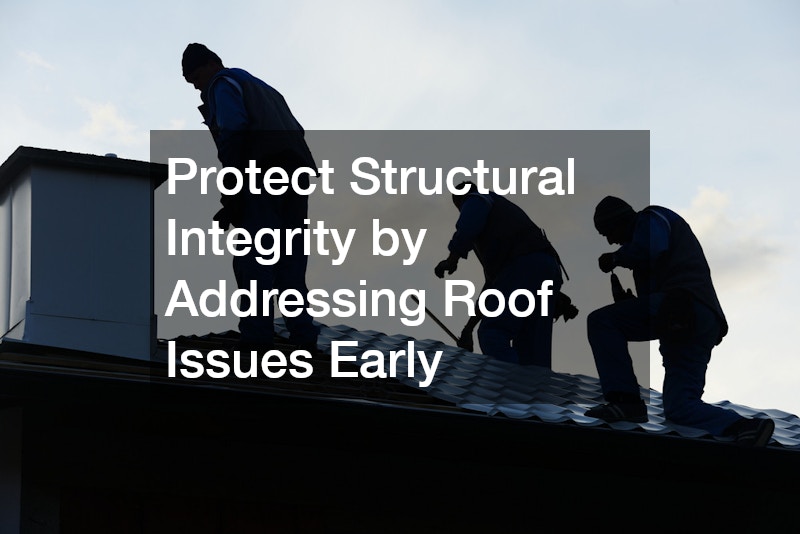
The roof is one of the most critical components of a home’s exterior, providing protection from rain, snow, wind, and sun exposure. Working with a reputable roofing company or experienced roofer ensures that repairs and installations are completed to a high standard.
Roof problems often develop gradually, making early detection essential. Common warning signs include:
- Missing, cracked, or curling shingles
- Water stains on ceilings or attic spaces
- Sagging roof sections
- Granule buildup in gutters
Ignoring these signs can lead to more severe structural damage, including rot, mold growth, and compromised insulation.
When planning roof work, homeowners should consider:
- Material durability and lifespan
- Climate suitability
- Ventilation and insulation requirements
- Warranty coverage and contractor credentials
Preventative maintenance is key to extending roof life. Regular inspections, gutter cleaning, and prompt repairs help maintain performance and reduce the risk of costly replacements.
Proper roof care not only protects the home’s structure but also improves energy efficiency by maintaining insulation and preventing air leaks.
Enhance Curb Appeal and Surface Protection with Exterior Finishes
Exterior finishes play a vital role in both protecting and enhancing a home’s appearance. Painting services provide a protective barrier against moisture, UV rays, and environmental wear while also refreshing the home’s visual appeal.
Over time, paint can fade, crack, or peel due to exposure to the elements. Repainting at the right time helps prevent damage to underlying materials and maintains a clean, polished look.
Key preparation steps include:
- Cleaning surfaces to remove dirt and debris
- Repairing cracks or damaged areas
- Applying primer for better adhesion
- Selecting weather-resistant paint products
Choosing the right color and finish can also impact long-term satisfaction. Neutral tones often provide broader appeal, while high-quality finishes offer better durability and resistance to fading.
Maintenance tips for painted surfaces:
- Inspect annually for signs of wear
- Clean surfaces periodically to prevent buildup
- Touch up small areas before they expand
A well-maintained exterior finish not only protects the home but also contributes significantly to curb appeal and property value.
Improve Energy Efficiency and Indoor Comfort Through Window Upgrades
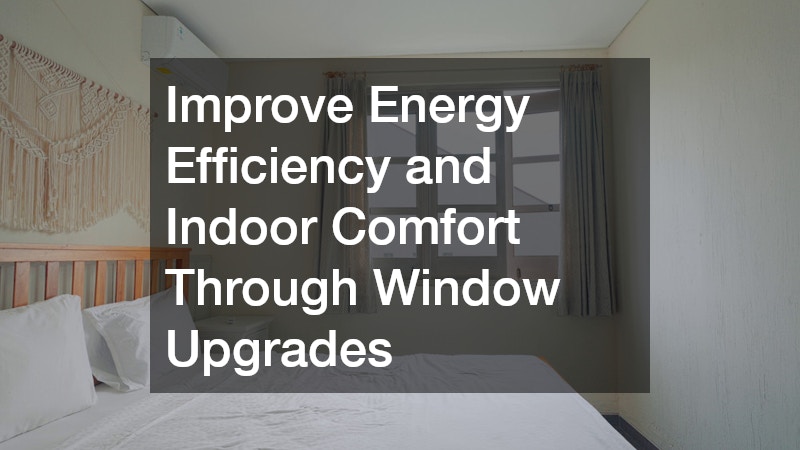
Windows are a key factor in energy efficiency, natural lighting, and indoor comfort. Proper window installation ensures that homes remain well-insulated and protected from drafts, moisture, and temperature fluctuations.
Older windows often develop issues such as:
- Air leaks around frames
- Condensation between panes
- Difficulty opening or closing
- Reduced insulation performance
Upgrading to modern, energy-efficient windows can significantly improve comfort while lowering utility costs.
Important considerations include:
- Double or triple-pane glass for insulation
- Low-emissivity coatings to reduce heat transfer
- Durable frame materials such as vinyl or fiberglass
- Proper sealing during installation
Benefits of window upgrades:
- Improved indoor temperature control
- Reduced energy consumption
- Enhanced noise reduction
- Increased home value
Regular maintenance, such as cleaning tracks and checking seals, helps extend the lifespan of windows and maintain their performance.
Prevent Moisture Intrusion and Protect Foundation Stability
Basement areas are particularly vulnerable to moisture intrusion, which can lead to structural damage and unhealthy living conditions. Basement waterproofing is essential for preventing water infiltration and maintaining a stable foundation.
Common causes of basement moisture include:
- Poor drainage around the home
- Cracks in foundation walls
- High groundwater levels
- Ineffective sealing or insulation
Signs of moisture problems:
- Damp or musty odors
- Visible mold or mildew
- Water stains on walls or floors
- Peeling paint or warped materials
Effective waterproofing solutions may involve:
- Installing drainage systems such as French drains
- Sealing foundation cracks
- Applying waterproof coatings
- Improving exterior grading
Preventative maintenance is key to long-term success. Regular inspections and addressing minor issues early can prevent more serious damage.
A dry, well-protected basement contributes to overall structural integrity and creates additional usable space within the home.
Address Water Damage Quickly to Prevent Structural Issues
Water damage can occur suddenly or develop over time, and addressing it promptly is essential to prevent long-term consequences. Water damage remediation involves removing excess moisture, repairing affected areas, and restoring the home to its original condition.
Common sources of water damage include:
- Roof leaks
- Plumbing failures
- Flooding or heavy rainfall
- Poor drainage systems
Immediate response steps:
- Identify and stop the source of water
- Remove standing water as quickly as possible
- Dry affected areas using proper equipment
- Disinfect and prevent mold growth
Professional remediation services use specialized tools to ensure thorough drying and restoration, reducing the risk of hidden moisture and future problems.
Timely action minimizes damage, protects structural components, and ensures a safe living environment.
Define Property Boundaries and Improve Outdoor Functionality
Fencing serves both practical and aesthetic purposes, providing privacy, security, and visual definition for a property. Fence installation should be carefully planned to meet both functional needs and design preferences.
Factors to consider include:
- Material options such as wood, vinyl, or metal
- Height and style based on privacy requirements
- Local regulations and property boundaries
- Terrain and soil conditions
Benefits of fencing:
- Enhanced security for pets and family
- Increased privacy from neighbors
- Improved property organization
- Added curb appeal
Maintenance practices vary by material but generally include cleaning, sealing, and inspecting for damage.
A well-designed fence enhances both usability and appearance, contributing to overall property value.
Strengthen Exterior Protection with Durable Wall Systems
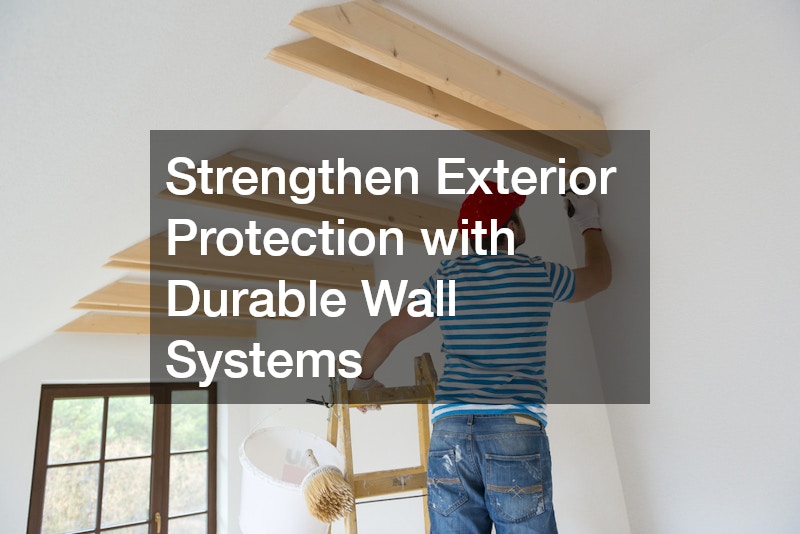
Siding is a crucial component of exterior protection, shielding the home from weather while contributing to insulation and appearance. Siding installation requires careful material selection and proper techniques to ensure long-term durability.
Common siding materials include:
- Vinyl for affordability and low maintenance
- Fiber cement for durability and resistance
- Wood for traditional aesthetics
- Metal for modern applications
Signs of siding issues:
- Cracks or warping
- Fading or discoloration
- Moisture infiltration
- Increased energy costs
Proper installation ensures that siding performs effectively as a protective barrier while enhancing energy efficiency.
Routine maintenance, including cleaning and inspections, helps preserve appearance and functionality over time.
Create Functional Outdoor Living Spaces for Everyday Use
Outdoor living spaces have become an important extension of the home. Patio builders help design and construct areas that support relaxation, entertainment, and daily use.
Planning considerations include:
- Size and layout based on available space
- Material selection for durability and aesthetics
- Integration with landscaping and existing structures
- Drainage and foundation preparation
Popular features include:
- Seating areas
- Outdoor kitchens
- Fire pits or heating elements
- Lighting for evening use
A well-designed patio increases usable living space and enhances overall property appeal.
Coordinate Multiple Exterior Projects for Efficient Execution
Managing multiple exterior projects requires careful coordination to ensure efficiency and avoid conflicts. Each system must be addressed in the correct sequence to achieve optimal results.
Best practices include:
- Completing structural repairs before cosmetic upgrades
- Scheduling projects based on weather conditions
- Maintaining clear communication between contractors
- Tracking progress with a detailed timeline
Coordinated planning reduces delays, minimizes disruptions, and ensures consistent quality across all improvements.
Budgeting and Planning for Exterior Improvements
Financial planning is essential for managing exterior upgrades effectively. Costs can vary widely depending on materials, labor, and project complexity.
Key budgeting strategies:
- Obtain multiple estimates for comparison
- Prioritize urgent repairs first
- Allocate contingency funds for unexpected issues
- Plan phased improvements when necessary
A structured approach helps homeowners stay within budget while achieving desired results.
Maximize Property Value Through Strategic Exterior Upgrades
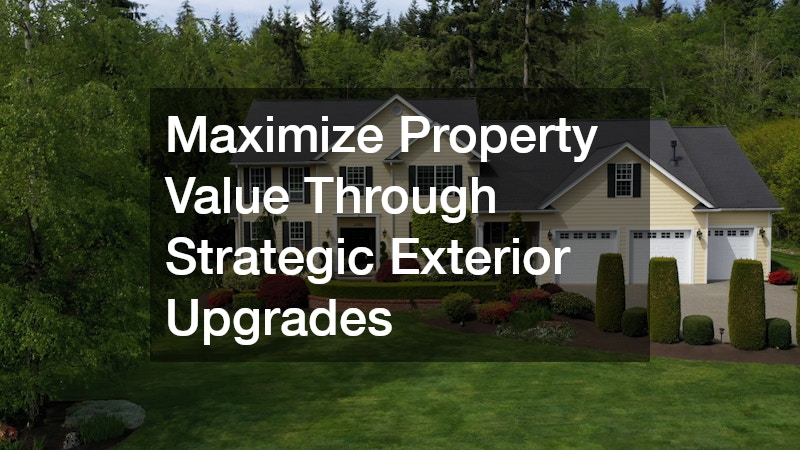
Strategic exterior improvements can significantly increase property value. Focusing on both functionality and aesthetics ensures a strong return on investment.
High-impact upgrades include:
- Roof and siding improvements
- Energy-efficient windows
- Outdoor living spaces
- Fresh exterior finishes
Balancing personal preferences with market trends helps maximize appeal and long-term value.
Maintain Long-Term Exterior Performance Through Routine Care
Ongoing maintenance is essential for preserving the benefits of exterior improvements. Regular care prevents minor issues from developing into costly repairs.
Maintenance checklist:
- Inspect roof and siding annually
- Clean gutters and drainage systems
- Check for signs of moisture intrusion
- Maintain painted surfaces and finishes
Consistency ensures that the home remains protected, efficient, and visually appealing over time.
Conclusion
A well-maintained exterior is essential for protecting a home, enhancing its appearance, and supporting long-term value. Each component—from the roof to the foundation—plays a critical role in maintaining structural integrity and ensuring a comfortable living environment.
When homeowners take a proactive approach, they gain greater control over both costs and outcomes. Addressing issues early prevents them from escalating into major repairs, while strategic upgrades improve both functionality and visual appeal. By viewing the exterior as a connected system, it becomes easier to prioritize improvements and ensure that each project contributes to overall performance.
Planning is one of the most important aspects of successful exterior improvement. Coordinating projects, selecting durable materials, and working with experienced professionals all help ensure lasting results. At the same time, ongoing maintenance is essential for preserving those results and avoiding unnecessary deterioration.
Ultimately, investing in exterior care is an investment in the home’s future. A durable, efficient, and visually appealing exterior not only enhances daily living but also provides long-term financial and structural benefits.